

Butternut Squash Soup – Creamy, Comforting, and Simple
Butternut squash soup is the kind of meal that makes a weeknight feel special. It’s cozy, smooth, and naturally sweet, with a gentle savory backbone. You don’t need fancy techniques or rare ingredients—just a pot, a blender, and a little patience.
This is the soup you make when you want something that feels thoughtful without taking all day. It’s simple to customize, easy to freeze, and tastes even better the next day.
What Makes This Recipe So Good
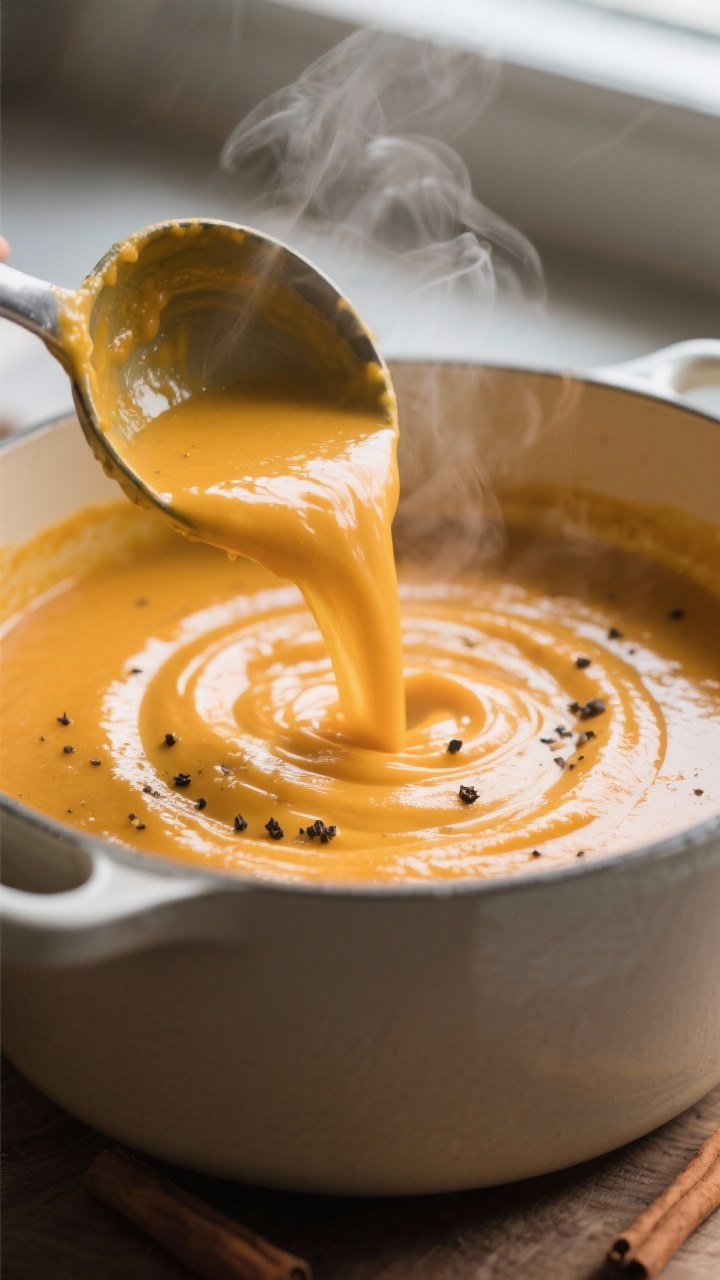
- Deep, naturally sweet flavor: Roasting the squash brings out caramelized notes that make the soup rich and layered.
- Silky texture: Blending turns a handful of simple ingredients into a velvety bowl of comfort.
- Weeknight-friendly: Minimal prep and straightforward steps—most of the time is hands-off while the squash roasts.
- Flexible: Works with vegetable or chicken stock, dairy or dairy-free options, and a range of toppings.
- Light but satisfying: It’s nourishing without feeling heavy, and pairs well with a grilled cheese or a crisp salad.
Ingredients
- 1 large butternut squash (about 3 to 3.5 pounds), halved and seeded
- 2 tablespoons olive oil, divided
- 1 medium yellow onion, chopped
- 2 cloves garlic, minced
- 1 medium carrot, peeled and chopped
- 1 small apple (like Gala or Honeycrisp), peeled, cored, and chopped (optional for brightness)
- 1 teaspoon kosher salt, plus more to taste
- 1/2 teaspoon freshly ground black pepper
- 1/2 teaspoon ground cinnamon
- 1/4 teaspoon ground nutmeg or freshly grated nutmeg
- 1/8 teaspoon cayenne pepper (optional, for gentle heat)
- 4 cups vegetable or chicken stock
- 1–3 tablespoons maple syrup, to taste (optional)
- 2–4 tablespoons heavy cream or coconut milk (optional for extra creaminess)
- Juice of 1/2 lemon or 1 teaspoon apple cider vinegar, to finish
- To serve: toasted pepitas, a swirl of cream or yogurt, chopped chives, crusty bread
How to Make It

- Roast the squash: Heat the oven to 400°F (200°C). Rub the cut sides of the squash with 1 tablespoon olive oil and a pinch of salt.
Place cut-side down on a lined baking sheet and roast for 40–50 minutes, until very tender and caramelized at the edges.
- Sauté the aromatics: While the squash roasts, heat the remaining 1 tablespoon olive oil in a large pot over medium heat. Add onion, carrot, and a pinch of salt. Cook 6–8 minutes, stirring occasionally, until softened and lightly golden.
- Add garlic and spices: Stir in garlic, cinnamon, nutmeg, and cayenne.
Cook 30 seconds, just until fragrant. Don’t let the garlic brown.
- Scoop the squash: When the squash is cool enough to handle, scoop the flesh into the pot. Discard the skins.
- Build the base: Add the chopped apple (if using) and pour in the stock.
Season with 1 teaspoon salt and the black pepper. Bring to a simmer and cook 10–12 minutes to let the flavors meld.
- Blend until smooth: Use an immersion blender to puree the soup right in the pot until silky. Or carefully transfer to a blender in batches, venting the lid.
Blend until completely smooth.
- Adjust and finish: Return the soup to low heat. Stir in maple syrup to balance the squash’s natural sweetness if needed. Add cream or coconut milk for richness, if you like.
Finish with lemon juice or vinegar to brighten. Taste and adjust salt and pepper.
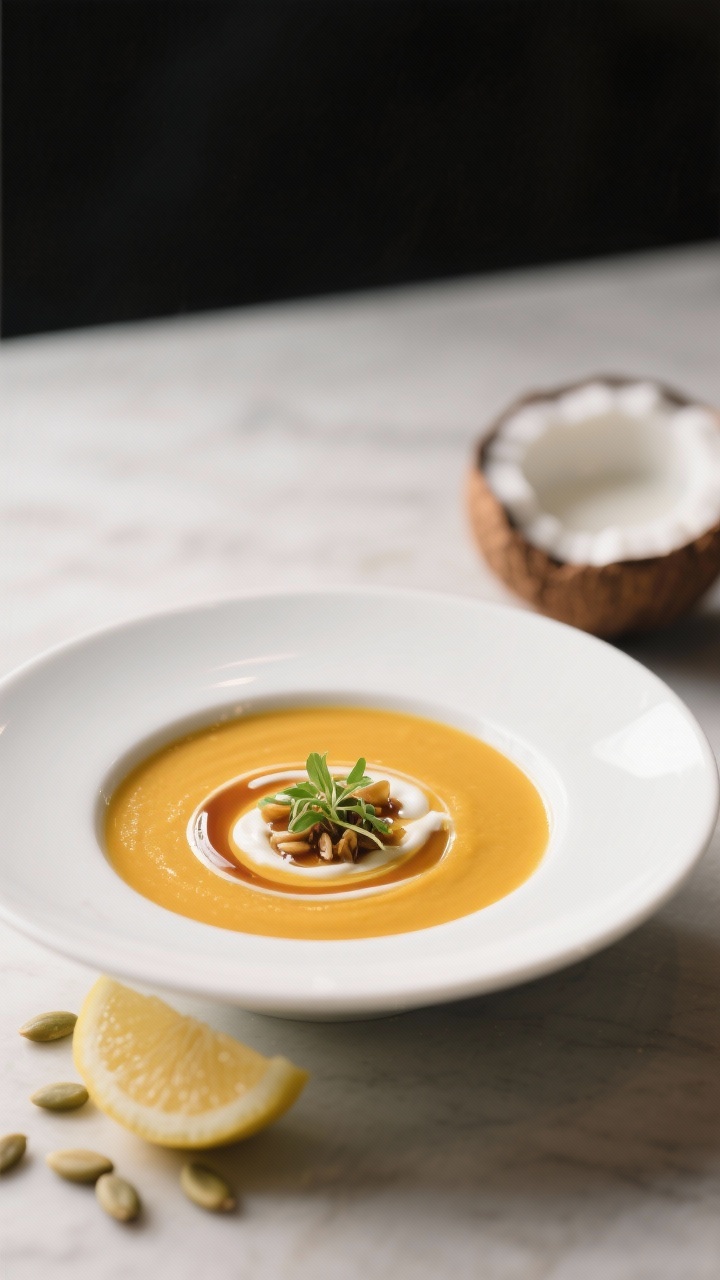
- Serve: Ladle into bowls and top with pepitas, a drizzle of cream, and chives. Serve with warm bread.
Keeping It Fresh
- In the fridge: Store in an airtight container for up to 4 days.
The flavor deepens as it rests.
- In the freezer: Cool completely, then freeze for up to 3 months. Leave a little space in the container for expansion.
- Reheating: Warm gently on the stove over low heat, adding a splash of water or stock if it thickens. Stir well to bring back the silky texture.
- Make-ahead tip: Roast the squash a day in advance and refrigerate.
This shaves nearly an hour off your cook time.
Why This is Good for You
- Rich in vitamins: Butternut squash is high in vitamin A for eye and immune health, plus vitamin C and potassium.
- Fiber for fullness: The squash and carrot provide fiber that supports digestion and steady energy.
- Light on heavy cream: The soup’s creaminess comes mostly from pureed vegetables, so you can keep it light and still feel satisfied.
- Balanced flavors, balanced meal: Add protein on the side—grilled chicken, chickpeas, or a cheese toast—to round out the plate.
Pitfalls to Watch Out For
- Under-roasting the squash: If the squash is pale and firm, the soup will taste bland. Wait for deep caramelization and fork-tender flesh.
- Skipping acidity: A squeeze of lemon or a splash of vinegar makes the flavors pop. Without it, the soup can taste flat or overly sweet.
- Overdoing the spices: Cinnamon and nutmeg should be subtle.
Too much makes the soup taste like dessert.
- Blending carelessly: Hot soup expands. If using a stand blender, work in small batches and vent the lid to prevent splatters.
- Forgetting to season: Taste at the end. Salt and pepper balance sweetness and bring out depth.
Recipe Variations
- Thai-inspired: Add 1–2 tablespoons red curry paste when sautéing aromatics.
Use coconut milk and finish with lime juice and fresh cilantro.
- Smoky and savory: Add 1 teaspoon smoked paprika and a splash of soy sauce. Top with crispy bacon or smoked almonds.
- Ginger-turmeric: Sauté 1 tablespoon grated fresh ginger and 1/2 teaspoon ground turmeric with the aromatics. Finish with lemon and a swirl of yogurt.
- Apple-forward: Use two apples for a brighter, fruitier profile.
Skip the maple and reduce cinnamon slightly.
- Extra-velvety: Add 1 small Yukon gold potato with the carrot for even more body and creaminess.
- Protein boost: Stir in cooked red lentils (pre-cooked or simmered in the soup before blending) for a heartier, plant-powered version.
FAQ
Can I make this without roasting the squash?
Yes. Peel and cube the raw squash, then simmer it with the onion, carrot, and stock until tender, about 20–25 minutes. Roasting adds depth, but the stovetop method still makes a delicious, silky soup.
What if I don’t have an immersion blender?
Use a regular blender and work in batches.
Fill it halfway, vent the lid, and cover with a towel to avoid steam build-up. Blend until smooth, then return to the pot.
How do I make it dairy-free?
Use olive oil and stock, then swap the cream for coconut milk or skip it entirely. The soup will still be creamy thanks to the pureed squash.
How can I make it spicier?
Add extra cayenne, a pinch of red pepper flakes, or a spoonful of chili crisp when serving.
Taste as you go so the heat doesn’t overwhelm the natural sweetness.
What should I serve with it?
Crusty bread, grilled cheese, a green salad, or roasted chickpeas on top. For a bigger meal, pair with a grain bowl or a simple roast chicken.
Can I use frozen butternut squash?
You can. Sauté it with the aromatics and simmer in stock until soft, then blend.
It won’t caramelize like roasted fresh squash, but it’s a great shortcut.
How do I thicken or thin the soup?
If it’s too thick, add more stock or water. If it’s too thin, simmer uncovered for a few minutes to reduce, or blend in a small cooked potato.
Final Thoughts
Butternut squash soup is a reminder that simple ingredients can taste luxurious. Roast, simmer, blend, and season—there’s nothing complicated here, just clean, warm flavors.
Keep the base classic, then layer on spices or toppings to match your mood. It’s a reliable, cozy staple you’ll make on repeat all season long.