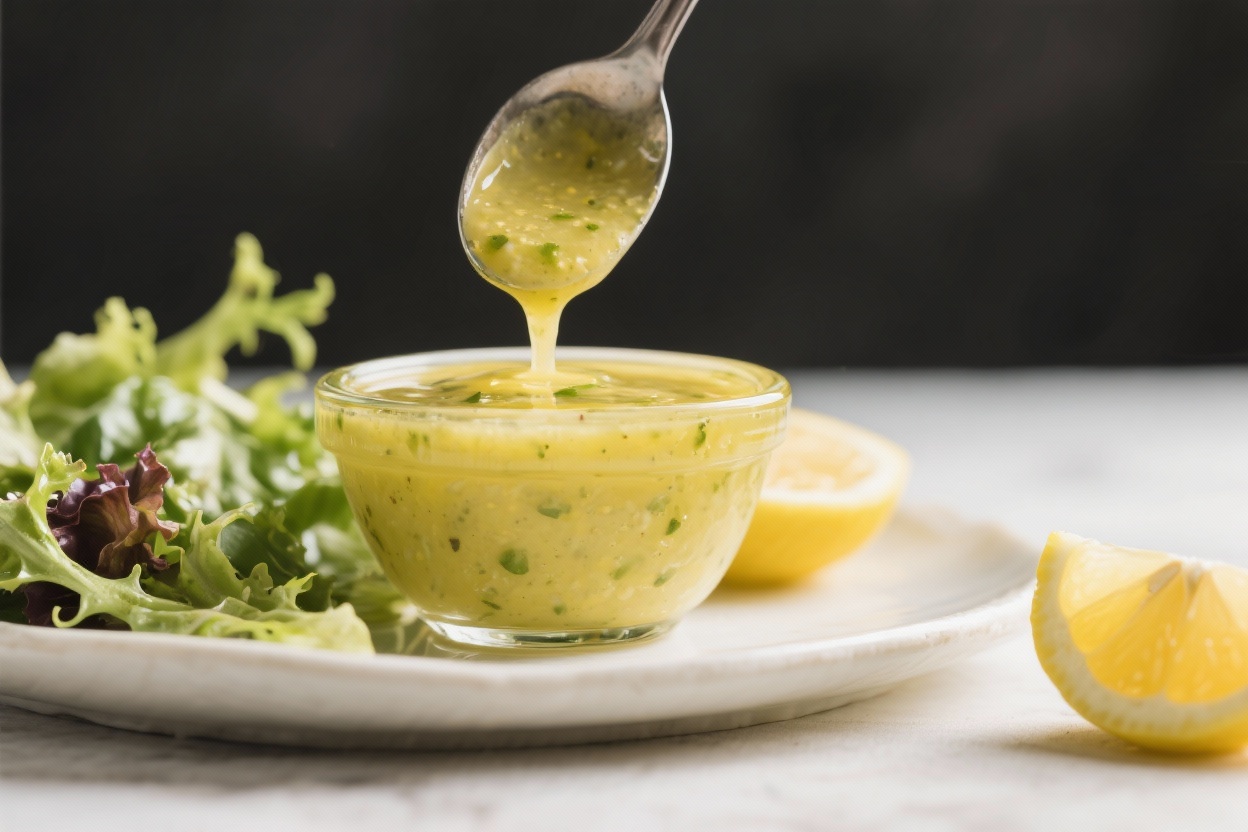
Lemon Vinaigrette Dressing Recipe – Bright, Fresh, and Ready in Minutes
This lemon vinaigrette is the kind of recipe you’ll make once and then keep on repeat. It’s bright, zesty, and brings salads, veggies, grain bowls, and even grilled chicken to life. With just a handful of pantry staples and fresh lemon, you’ll have a dressing that tastes restaurant-quality without the fuss.
It mixes up in minutes, stores well, and can be customized to your taste. If you want a staple that makes healthy eating easier and tastier, this is it.
What Makes This Recipe So Good
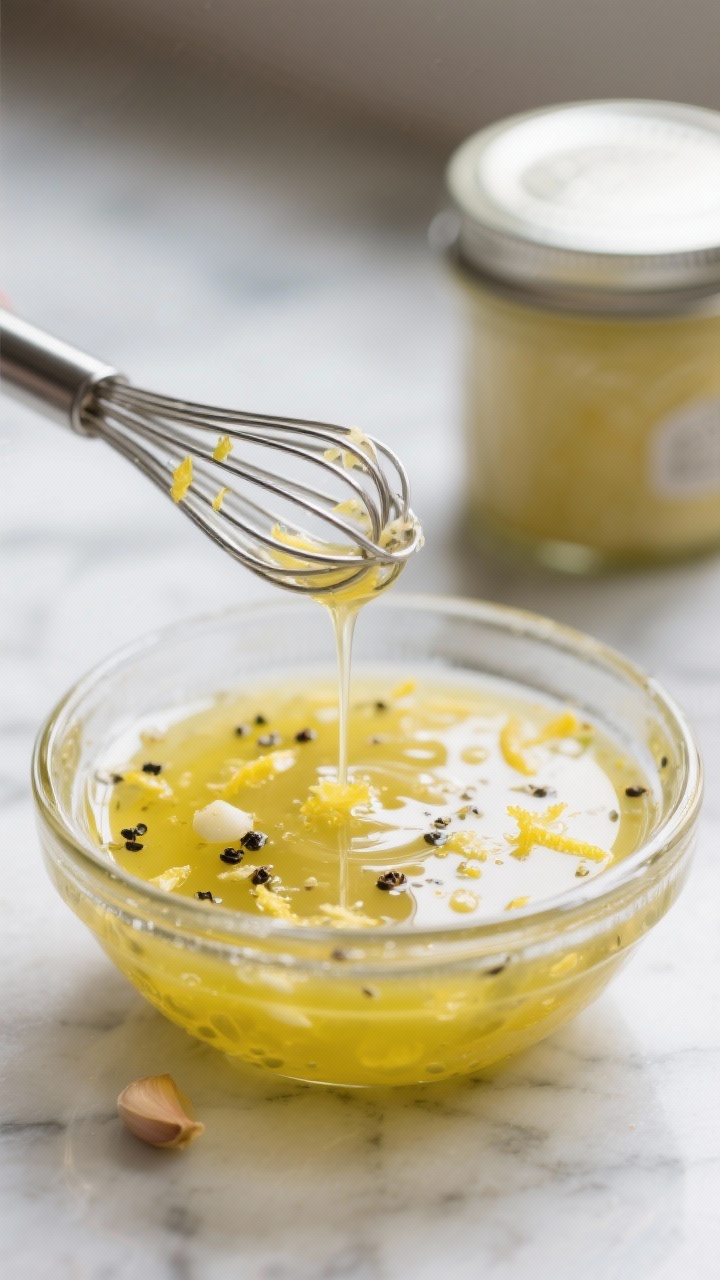
- Simple ingredients, big flavor: Fresh lemon juice, good olive oil, and a few seasonings make a dressing that tastes clean and bright.
- Quick and easy: It takes about 5 minutes from start to finish—no special tools required.
- Versatile: Works with leafy greens, roasted vegetables, pasta salads, grain bowls, and seafood.
- Customizable: Adjust the tartness, sweetness, and texture to match your preferences.
- Better than store-bought: No additives, no mystery ingredients—just fresh, balanced flavor.
Ingredients
- 1/3 cup fresh lemon juice (about 2 large lemons)
- 1 teaspoon lemon zest (optional, but adds extra brightness)
- 1 teaspoon Dijon mustard (for body and tang)
- 1 small garlic clove, finely minced (or 1/2 teaspoon grated)
- 1 teaspoon honey or maple syrup (optional, to balance acidity)
- 1/2 teaspoon kosher salt (or to taste)
- 1/4 teaspoon freshly ground black pepper
- 2/3 cup extra-virgin olive oil
How to Make It
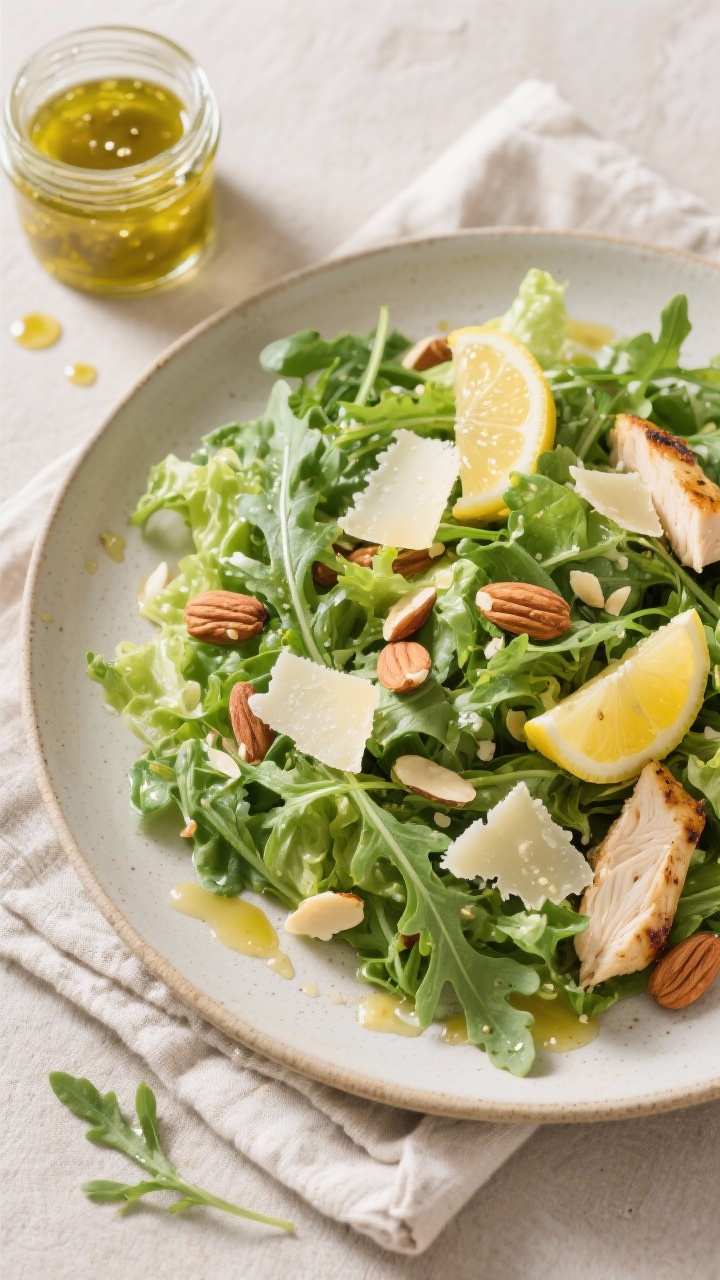
- Whisk the base: In a small bowl, add the lemon juice, zest, Dijon mustard, garlic, honey, salt, and pepper. Whisk until smooth.
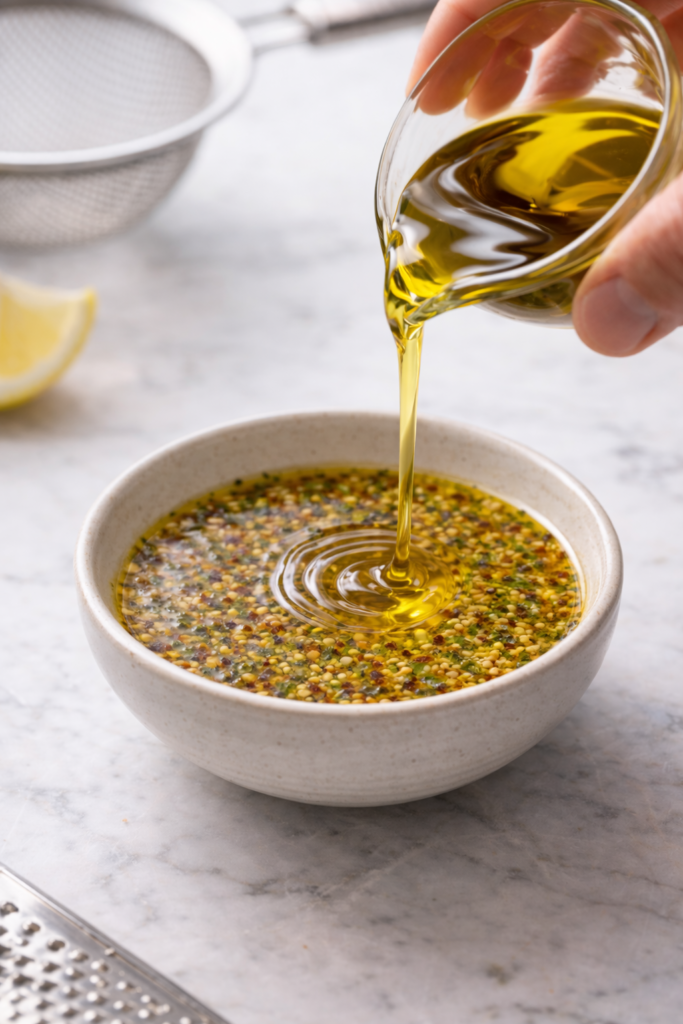
- Stream in the oil: While whisking steadily, slowly drizzle in the olive oil.
The mixture should thicken slightly and turn glossy as it emulsifies.
- Taste and adjust: Add more salt, pepper, or honey to balance the acidity. If it’s too sharp, whisk in a tablespoon more olive oil.
- Let it rest: Give the dressing 5–10 minutes to mellow. The garlic will soften, and the flavors will meld.
- Shake and serve: Transfer to a jar with a lid.
Shake before using to re-emulsify. Spoon over salads, drizzle on roasted vegetables, or toss with cooked grains.
Keeping It Fresh
- Refrigerate: Store in a sealed jar in the fridge for up to one week.
- Shake before using: Natural separation is normal. A quick shake brings it back together.
- Bring to room temp: If the olive oil firms up in the fridge, let the dressing sit out for 10–15 minutes, then shake again.
- Freshness cue: If it smells off or turns bitter or dull, it’s time to make a fresh batch.
Benefits of This Recipe
- Light and fresh: Lemon keeps the flavor bright without feeling heavy.
- Heart-healthy fats: Extra-virgin olive oil provides monounsaturated fats that support a balanced diet.
- Naturally gluten-free and dairy-free: Works for many dietary needs with no swaps required.
- Great for meal prep:</-strong> Make once, use all week on different dishes to keep meals interesting.
- Encourages more veggies: A tasty dressing makes it easier to enjoy more greens and roasted vegetables.
What Not to Do
- Don’t skip the salt: Lemon needs salt to taste balanced.
Without it, the dressing will seem flat and sour.
- Don’t use old olive oil: Stale or bitter oil will dominate the flavor. Use fresh, good-quality extra-virgin olive oil.
- Don’t add all the oil at once: Pouring slowly helps emulsify and creates a silky texture.
- Don’t overpower with garlic: A small clove is enough. Too much can make the dressing harsh.
- Don’t rely on bottled lemon juice: Fresh lemon juice tastes brighter and cleaner, which makes a big difference.
Alternatives
- No Dijon? Use whole-grain mustard or a pinch of dry mustard.
Mustard helps the dressing emulsify.
- No honey? Try maple syrup or a pinch of sugar. Or skip it if you like it extra tangy.
- Herb twist: Add 1–2 tablespoons of chopped fresh herbs like parsley, basil, dill, or chives for a fresh, green note.
- Shallot version: Swap the garlic for 1 tablespoon minced shallot for a milder, slightly sweet onion flavor.
- Creamy lemon vinaigrette: Whisk in 2 tablespoons of plain Greek yogurt or 1 tablespoon of mayonnaise for a creamy texture.
- Citrus blend: Replace a tablespoon or two of lemon juice with orange or grapefruit juice for a softer, more rounded acidity.
- Vegan-friendly sweetener: Use maple syrup or agave instead of honey.
- Lower-acid option: Add an extra tablespoon or two of olive oil, or a splash of water, to soften the punch.
FAQ
Can I make this without mustard?
Yes. The mustard helps the dressing emulsify and adds a bit of tang, but you can leave it out.
The dressing may separate more quickly; just shake before serving. A small pinch of xanthan gum can help stabilize if you have it, but it’s not necessary.
What’s the best olive oil to use?
Use a fresh, good-quality extra-virgin olive oil with a flavor you enjoy. A mild, fruity oil is great if you prefer a softer taste, while a peppery oil gives the dressing a bolder edge.
How do I fix it if it’s too sour?
Whisk in more olive oil, 1 tablespoon at a time, until it’s balanced.
A small drizzle of honey or a pinch of sugar also helps round out the acidity.
Can I use this as a marinade?
Absolutely. It’s excellent for chicken, shrimp, or vegetables. Marinate proteins for 30 minutes to 2 hours, and vegetables for 15–30 minutes.
Avoid long marinades with seafood to prevent the acid from “cooking” it.
Is bottled lemon juice okay?
You can use it in a pinch, but the flavor won’t be as bright. Fresh lemon juice makes the dressing taste cleaner and more vibrant.
How much dressing does this make?
This recipe yields about 1 cup, enough for 6–8 side salads or 4 generous salads. Double the recipe if you’re meal prepping for the week.
Can I add Parmesan?
Yes.
A tablespoon or two of finely grated Parmesan adds savory depth. It makes the dressing slightly creamy and great for hearty greens like kale or romaine.
In Conclusion
This lemon vinaigrette dressing is simple, fresh, and endlessly useful. With a few pantry staples and a couple of lemons, you’ll have a bright, balanced dressing that elevates everyday meals.
Keep a jar in the fridge, shake before serving, and use it on salads, vegetables, grains, and more. It’s the kind of small kitchen habit that makes eating well feel easy and delicious.